


There is a reason trekking has become one of the fastest-growing forms of travel. Walking slows a journey down. You notice the change in birdsong as the trail climbs, the smell of wet earth after rain, the way a village appears around a bend. Add a knowledgeable guide, a well-planned route, and a comfortable place to sleep each night, and a trek becomes something more than exercise. It becomes a way of understanding a place.
Trekking and tours cover an enormous range, from a gentle half-day forest walk to a three-week high-altitude expedition. This guide explains the main types, popular destinations, how to choose a route that matches your fitness, what to pack, how to stay safe, and how to book responsibly.
What Are Trekking and Tours?
Trekking is walking over multiple hours or days through natural terrain, usually on trails, and often in hills, mountains, forests, or remote countryside. It differs from a casual walk in that it is longer, more demanding, and usually involves some planning around weather, terrain, and logistics.
A trekking tour is a organized version of that experience. A tour operator handles route planning, permits, guides, transport, accommodation, and often meals and equipment. You focus on walking and enjoying the scenery. Many tours combine trekking with other activities such as wildlife viewing, cultural visits, and sightseeing, which is why “trekking and tours” is such a flexible idea.
Main Types of Trekking Tours
Day hikes and short treks. Guided walks lasting a few hours to a full day, ideal for beginners and travelers with limited time.
Multi-day lodge-to-lodge treks. You walk by day and sleep in guesthouses, lodges, or mountain huts at night. Luggage is often carried separately, so you carry only a daypack.
Camping treks. Support crews carry tents, food, and gear. These routes reach remote areas where no lodges exist.
High-altitude treks. Routes that climb above 3,000 meters, where acclimatization and slow pacing are essential.
Wildlife trekking. Walks designed to find animals, such as primate tracking in African forests, which are usually permit-based and tightly regulated.
Cultural treks. Routes that connect villages, monasteries, markets, and traditional communities.
Volcano and crater treks. Climbs to volcanic summits and crater lakes, often starting before dawn for clear views.
Self-guided treks. You follow a set route with pre-booked accommodation and navigation support but no guide walking alongside you.
Popular Trekking Destinations
Nepal and the Himalayas
Nepal is the classic trekking destination. Routes to Everest Base Camp, the Annapurna Circuit, and Langtang combine mountain scenery with Sherpa and Gurung culture. Teahouses along the trails provide simple beds and meals, making multi-day treks possible without camping.
East Africa
East Africa offers a rare mix of wildlife and mountain trekking. Kilimanjaro in Tanzania is Africa’s highest peak, while Mount Kenya and the Rwenzori Mountains in Uganda provide quieter alpine routes. In Rwanda, Uganda, and the Democratic Republic of Congo, permit-based treks lead to mountain gorillas, and in Uganda and Rwanda, to chimpanzees. Volcano hikes in the Virunga region add crater lakes and sweeping views.
South America
Peru’s Inca Trail and its alternatives lead to Machu Picchu, while Patagonia in Chile and Argentina offers dramatic granite peaks, glaciers, and long-distance circuits.
Europe
The Alps, the Dolomites, and the Pyrenees offer well-marked trails, mountain huts, and excellent infrastructure. Routes such as the Tour du Mont Blanc connect several countries in a single journey.
Asia and Beyond
Japan, Bhutan, and parts of Southeast Asia offer cultural treks through terraced hills and temple towns. New Zealand’s Great Walks, Iceland’s volcanic trails, and Morocco’s Atlas Mountains round out an extensive list of options.
How to Choose the Right Trek
Be honest about fitness. Choose a route that matches your current ability, not your ideal one. A trek that is slightly easier than you expect is usually more enjoyable than one that exhausts you.
Consider altitude. Treks above about 3,000 meters require gradual ascent and rest days. If you have not been at altitude before, pick a route with a conservative schedule.
Check daily distances and ascent. Tour descriptions usually list walking hours and elevation gain. Compare these with hikes you already know you can manage.
Match the style to your comfort level. Lodge-based treks suit those who want a bed and a hot meal each night. Camping suits those who prefer remoteness.
Think about your goals. Do you want summit views, wildlife, cultural contact, or simply quiet time in nature? The answer narrows the choices quickly.
Best Time to Go Trekking
Timing varies by region, but a few patterns hold.
- Dry seasons generally give clearer skies, firmer trails, and better views. In East Africa, this is usually June to September and December to February.
- Spring and autumn are popular in the Himalayas and Europe, with stable weather and comfortable temperatures.
- Summer suits high alpine routes that are snow-bound for much of the year.
- Shoulder seasons often mean fewer crowds and lower prices, with a higher chance of unsettled weather.
Since it is October now, travelers aiming for popular dry-season treks next year should begin researching and booking several months ahead.
Fitness and Preparation
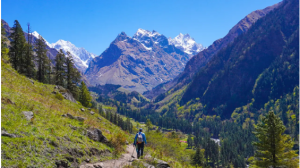
Good preparation makes trekking safer and far more enjoyable.
- Start early. Begin training six to eight weeks before departure.
- Walk regularly. Build up to several hours of continuous walking, ideally with a loaded daypack.
- Add hills and stairs. Uphill and downhill strength matter as much as stamina.
- Break in your boots. Wear new footwear on training walks to avoid blisters.
- Practice in the weather. Walking in rain or cold helps you test your gear.
- See a doctor. If you have health concerns or plan to go high, get medical advice beforehand.
What to Pack
- Broken-in hiking boots with good ankle support
- Moisture-wicking base layers and quick-drying trousers
- A warm mid-layer and a waterproof jacket
- A hat, sunglasses, sunscreen, and lip balm
- Gloves, and a warm hat for cold mornings
- A daypack with a rain cover
- Trekking poles, which reduce strain on knees
- A headlamp with spare batteries
- A reusable water bottle or hydration system
- A basic first aid kit, including blister care
- Snacks and electrolyte tablets
- A camera and a power bank
Pack light. Everything you carry, you feel after the first few hours.
Safety on the Trail
Trekking is generally safe when approached sensibly, but mountains and remote areas call for respect.
- Use qualified guides. They know the terrain, weather patterns, and emergency procedures.
- Acclimatize properly. Ascend gradually at altitude and report symptoms such as persistent headache, nausea, or dizziness early.
- Check weather and trail conditions. Be prepared to change plans.
- Stay hydrated and fueled. Fatigue and dehydration are common causes of trouble.
- Stay with your group. Do not wander off alone.
- Carry insurance. Choose a policy that covers trekking at your intended altitude, including medical care and evacuation.
Responsible Trekking
Trekking takes you to places that are fragile and often home to local communities.
- Stay on marked trails to limit erosion.
- Carry out all litter.
- Respect wildlife and keep your distance.
- Ask permission before photographing people.
- Dress modestly in conservative communities.
- Support local businesses by buying food, crafts, and services locally.
- Tip guides, porters, and staff fairly.
Porters and guides are the backbone of many treks. Choose operators that pay fair wages, limit loads, and provide proper clothing and shelter for their crews.
Choosing a Tour Operator
A good operator makes the difference between a stressful trip and a great one. Look for licensed local companies with clear itineraries and itemized pricing. Check recent independent reviews, ask about guide qualifications and safety procedures, and understand the cancellation and refund policy. Ask about group size, since smaller groups usually mean a better experience and less impact on the trail.
Be cautious about prices that look unusually low. They often mean unsafe practices, poorly paid crews, or hidden extras.
Group Tours or Private Tours?
Group tours cost less and are sociable. They suit solo travelers and first-timers who want shared logistics.
Private tours offer flexible pacing, custom routes, and more attention from the guide. They suit families, couples, photographers, and anyone with specific needs.
Conclusion
Trekking and tours offer a rare combination of physical challenge, natural beauty, and cultural connection. Whether you choose a gentle forest walk, a lodge-based Himalayan route, a volcano climb in East Africa, or a wildlife trek to see gorillas or chimpanzees, the principles are the same. Match the route to your fitness, prepare steadily, pack thoughtfully, and travel with a licensed, responsible operator. Walk slowly, look around, and let the landscape set the pace. The best treks are remembered less for the distance covered than for the moments along the way.
Key Takeaways
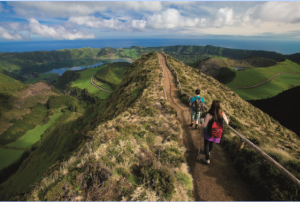
- Trekking tours range from short day hikes to multi-week expeditions.
- Choose a route that matches your real fitness level and experience.
- Altitude requires gradual ascent and respect for symptoms.
- Dry seasons usually offer the best conditions, but shoulder seasons bring fewer crowds.
- Start training six to eight weeks ahead and break in your boots.
- Pack light, dress in layers, and carry the essentials.
- Use licensed operators with qualified guides and fair treatment of staff.
- Travel responsibly to protect trails, wildlife, and communities.
- Buy insurance that covers trekking and evacuation.
Frequently Asked Questions
What is the difference between trekking and hiking?
Hiking usually means shorter walks, often completed in a day. Trekking involves longer routes, often several days, and may include overnight stays in lodges or camps.
Do I need to be very fit to join a trekking tour?
Not necessarily. Many tours suit average fitness, but you should choose one that matches your ability and train beforehand.
What is the best time of year for trekking?
It depends on the region. Dry seasons and stable spring or autumn periods are generally best, while rainy or snowy seasons can make trails difficult.
Do I need a guide?
For remote, high-altitude, or permit-based routes, a guide is often required or strongly recommended. Guides improve safety and add local knowledge.
How much does a trekking tour cost?
Costs vary widely by destination, length, comfort level, and permits. Ask for an itemized quote so you can compare operators fairly.
What should I do about altitude sickness?
Ascend gradually, stay hydrated, and tell your guide about symptoms early. Descend if symptoms worsen, and seek medical advice before high-altitude travel.
Is trekking suitable for beginners?
Yes. Many tours are designed for beginners, with shorter days, gentle terrain, and support staff.
What type of insurance do I need?
Choose travel insurance covering trekking at your planned altitude, plus medical care, evacuation, and trip cancellation.
Should I tip guides and porters?
Tipping is customary in many destinations. Your operator can suggest appropriate amounts.
Can I combine trekking with wildlife or cultural tours?
Yes. Many itineraries pair trekking with game drives, primate tracking, village visits, or city stays.